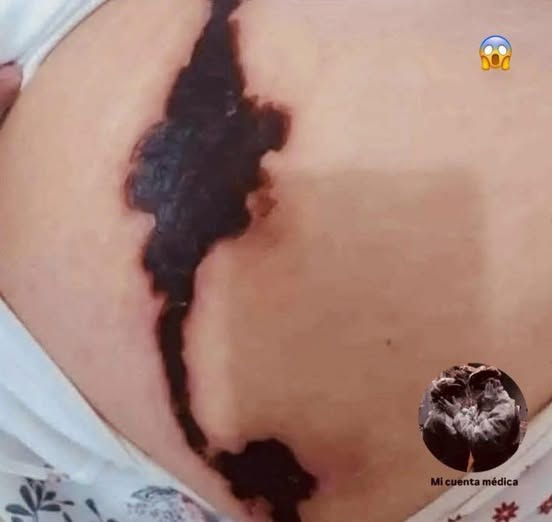
Injections are a common method for quickly and effectively administering medications into the body. However, when not administered correctly, they can cause serious adverse effects, ranging from pain and inflammation to infection and tissue damage. It’s important to understand the risks and follow appropriate recommendations to avoid complications.
Risks of an Incorrectly Administered Injection:
Pain and Inflammation
If the injection is not administered correctly, it is common to experience severe pain, swelling, or redness in the area. This may be due to poor technique, the use of an inappropriate needle, or injection into the wrong area.
Nerve Injury:
Giving the injection in an inappropriate location, such as too close to a nerve, can cause pain, numbness, or weakness in the affected area. In some cases, the damage can be permanent.
Abscesses and Infections:
Failure to properly disinfect the skin or reusing contaminated needles can lead to infections. In severe cases, pus-filled abscesses may form, which may require medical treatment or even surgery.
Tissue necrosis
Some improperly administered injections can affect blood flow and cause necrosis (tissue death). This occurs when the medication is administered incorrectly or in larger amounts than recommended.
Allergic Reactions
A poorly administered injection can also increase the risk of a severe allergic reaction (anaphylaxis), which can cause difficulty breathing, swelling, and low blood pressure.
Recommendations for safe application
See a health professional: It is always recommended that an injection be administered by trained personnel.
Use sterile material: Needles and syringes must be new and disposable to avoid infections.
Selecting the right site: Depending on the type of injection (intramuscular, subcutaneous, or intravenous), the correct area must be chosen to avoid damaging nerves or blood vessels.
Proper hygiene: Washing your hands and disinfecting your skin before giving the injection reduces the risk of infection.
Proper Technique: The needle should be inserted at the correct angle and depth depending on the type of injection.
Conclusion:
Injections can be an effective method of administering medication, but if not administered correctly, they can cause serious problems. It’s essential that they be administered by trained personnel and follow proper hygiene and safety standards. Your health is at stake!